The Acorn Masting: White Oak Mast Year in Georgia
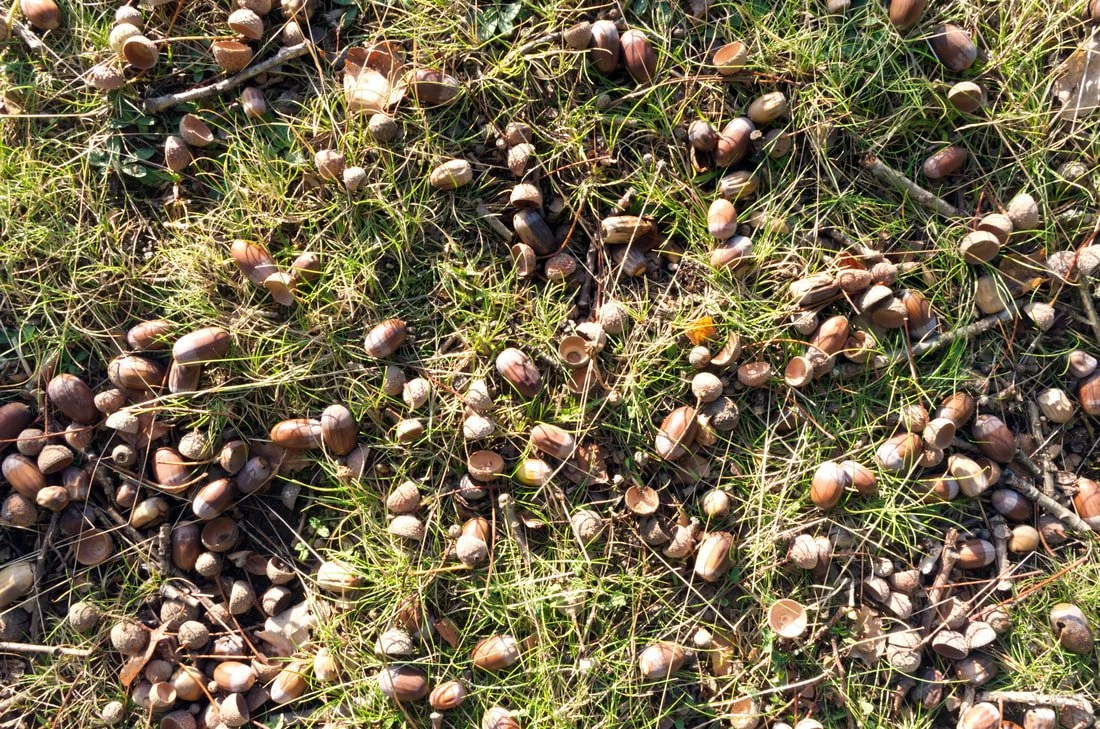
It’s finally Fall! As you wander through the festivals and enjoy the cooler weather, you may notice an abundance of acorns on the ground this year in addition to crispy leaves. While acorns are a common autumn occurrence, you aren’t imagining things: there’s definitely a lot more of them than usual! That’s because in Georgia this year, white oaks are masting. It’s a mast year!
What is Masting?
Masting is a coordinated event where all the trees of a given species in the same area will produce an unusually large bounty of their nuts, seeds, or fruit. This abundant crop is called a ‘bumper crop’ and is synchronized locally every 2 to 5 years, depending on the species. A mast year is just a year in which a certain species goes through masting.
Why Do Trees Mast?
Growing fruiting bodies that can reproduce is a heavily taxing process for any plant species. There’s only so much energy to go around, and a lot of that has to be spent on keeping the tree alive. That means that most trees only produce enough fruiting bodies in any given year to satisfy the local wildlife population that eats their crop. Only a small percentage is left over a given the chance to actually grow into new plants.
While this is functional enough for any species to continue, the goal is not just to survive, but to multiply. And so, some species developed masting as a clever way to help along the reproduction side of things without overextending themselves into extinction.
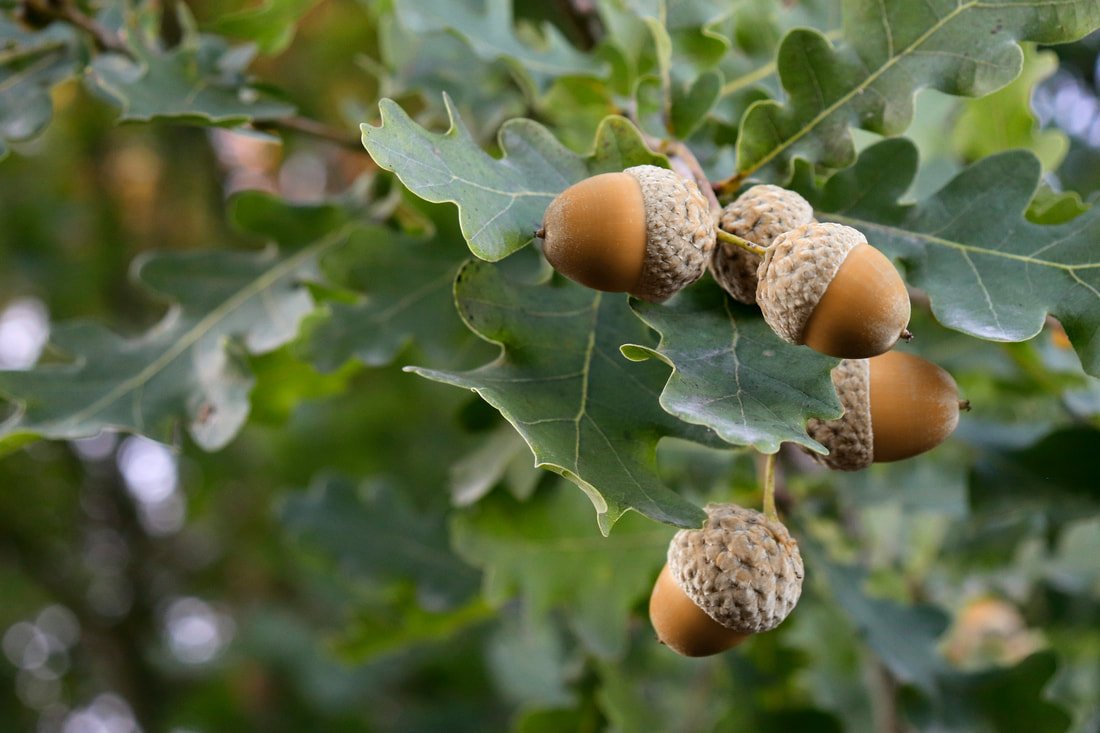
Every few years, these species produce their bumper crop of fruiting bodies, an amount much higher than the local wildlife population could hope to get through. This guarantees a larger percentage of seeds or nuts that get the chance to grow into new plants, helping boost the species’ population.
Of course, the amount of energy required to do this is exponential, which is why they don’t go around masting every single year. Instead, they save up their stores for a few years and use it all up at once in a mast year.
How Do Trees Mast?
The process of growing extra fruiting bodies is fairly straightforward, and even the cyclical nature of doing so every few years is a pretty common phenomenon in nature. But the part of masting that still leaves us stumped today is the synchronized bit.
If all trees of the same species, regardless of location, were on roughly the same masting schedule, then we would know that the event is dictated by, essentially, a biological clock. The time between mast years would be dictated by evolutionary pressures in the species’ past.
But mast year schedules of any given tree species vary from location to location. That means that all the trees of a particular species in one area are, somehow, communicating with each other. There’s plenty of theories out there about how they do this (things like electrical signals sent through underground fungal networks, for example), but as of now, we have no definitive understanding of this process. Which just means we still have so much to learn!
What Are the Effects of Masting?
One of the main effects of masting is, of course, an increase in population for the species that masts. In the years following the bumper crop, a much larger number of that species will take root and grow.
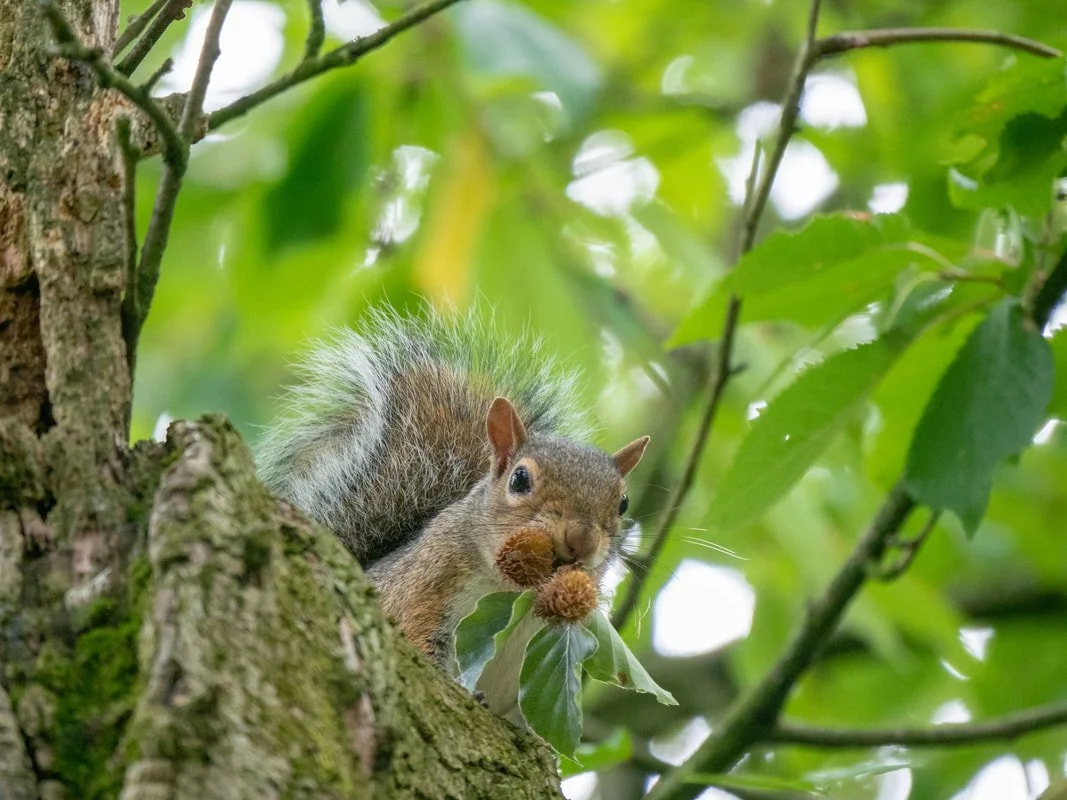
Another effect of masting, however, is the benefit to wildlife. In a normal year in prime conditions, the ecosystem supports the local wildlife’s population. But conditions are not always prime, and sometimes unexpected circumstances can impact a species’ population. For example, a severe storm might wash away some food supply, and flood nests or burrows, hurting the population.
Masting of course helps boost the tree species’ population, but also provides an abundance of food that can help boost listing wildlife populations, keeping the entire ecosystem in balance.